


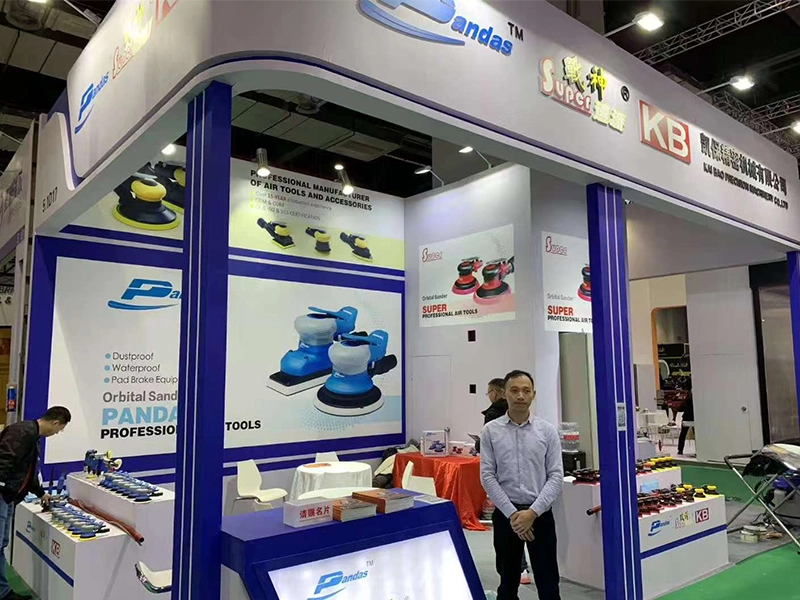
From March 24 to 26, 2026, the 39th China International Hardware Show (CIHS) was held at the National Exhibition and Convention Center. As one of the key industry events at the beginning of the year, the exhibition covered 170,000 square meters and attracted over 3,000 exhibitors.
However, feedback from industry professionals and exhibitors indicates a noticeable decline in participation from leading global brands. Major players such as Bosch, Stanley Black & Decker, and Makita were absent, while several top domestic companies either scaled down their presence or shifted to online participation. The exhibition’s overall influence and effectiveness have shown signs of weakening.
1. Noticeable Absence of Major Brands
Compared to previous editions, this year’s exhibition saw a significant reduction in international industry leaders. Well-known brands such as Bosch, Stanley Black & Decker, and Makita did not appear on the exhibition floor.
Among domestic companies, only a few major brands—including Deli Group, Dongcheng Power Tools, and Techtronic Industries—maintained visible participation. Many other leading manufacturers opted for smaller booths or online engagement, resulting in fewer large-scale custom exhibition spaces.
Industry insiders point to rising costs, adjustments in overseas market strategies, and declining exhibition ROI as key reasons behind this trend. Some companies believe that the cost-effectiveness of offline exhibitions is decreasing.
2. Signs of Declining Exhibition Effectiveness
-
Lower-than-expected visitor traffic:
Although official figures reported over 60,000 visitors, on-site traffic was relatively dispersed. Core tool and equipment zones saw reduced footfall compared to previous years, leading to lower lead-generation efficiency. -
Weaker trade results:
Exhibitors generally reported fewer high-quality leads and a lower rate of large order conversions. The proportion of small and medium-sized buyers increased, making it harder to justify exhibition investments. -
Reduced industry engagement:
Industry forums and product launch events held alongside the exhibition were scaled down. Topics such as smart tools and green hardware, previously key highlights, attracted less attention, indicating weaker industry interaction.
3. Underlying Factors
1) Global Supply Chain Adjustments
Overseas buyers are increasingly shifting toward regional sourcing strategies. International brands are reducing their presence in China-based exhibitions and focusing more on local market development.
2) Imbalance Between Cost and Return
High costs for booth rental, construction, and travel—combined with issues such as booth allocation and uneven traffic distribution—have led to declining ROI for exhibitors.
3) Intensifying Competition Among Exhibitions
Hardware exhibitions in cities like Yiwu and Guangzhou are drawing both exhibitors and visitors away, weakening Shanghai’s differentiation and competitive advantage.
4) Industry Transformation Phase
As the hardware industry transitions toward intelligent and sustainable solutions, companies are focusing more on R&D and channel development, reducing reliance on traditional exhibitions.
4. Industry Reflection and Future Trends
The lukewarm performance of this exhibition highlights the growing pressure on traditional hardware trade shows to evolve.
Industry experts suggest that organizers should improve booth allocation strategies and adopt more targeted buyer invitation methods. At the same time, companies are encouraged to combine online and offline channels, shifting from mass exposure to precise business matching.
Looking ahead, hardware exhibitions are likely to transition toward specialization and precision, focusing more on technical exchange and supply chain integration rather than simply expanding in scale.